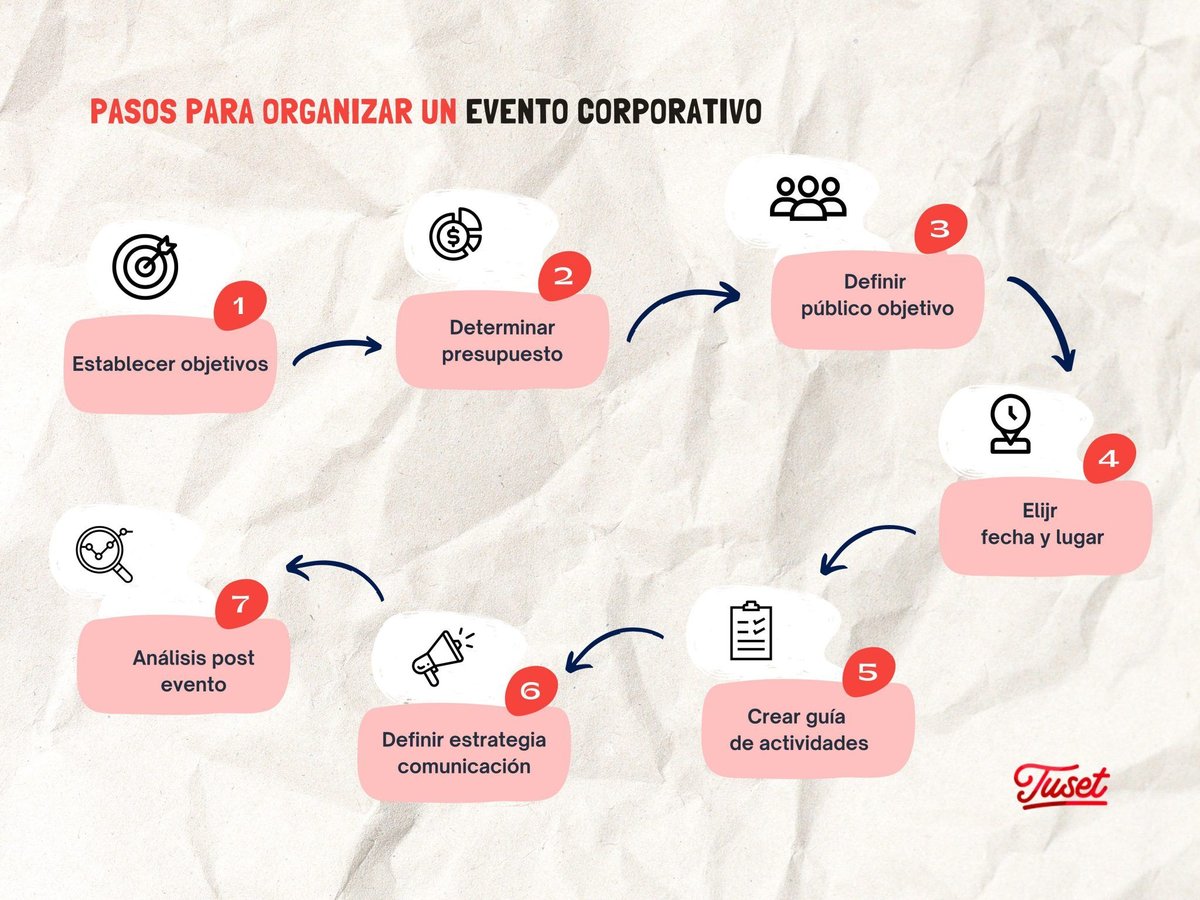
In the dynamic world of business growth and brand engagement, success isn't just about hosting an event; it's about orchestrating an experience with intention. Every truly impactful gathering, whether it's a product launch, a networking mixer, or a corporate convention, hinges on a deeply understood Contexto y Propósito del Evento. This isn't merely a formality; it's the strategic foundation that dictates every decision, from the choice of venue to the last piece of post-event communication. Get this right, and you don't just host an event—you create a movement.
At a Glance: Crafting Events with Purpose
- Define Your "Why": Clearly articulate the fundamental reason for your event, whether it's lead generation, brand building, or community engagement.
- Know Your Audience, Deeply: Go beyond demographics to understand psychographics, pain points, and motivations. Tailor everything to their needs.
- Research is Your Compass: Utilize surveys, social listening, and competitor analysis to truly grasp market trends and audience preferences.
- Segment for Success: Divide your audience into meaningful groups to personalize communication and experiences.
- Content is King (and Queen): Develop compelling narratives and messaging that highlight value and evoke emotion.
- Amplify Your Reach: Leverage social media, influencers, and strategic partnerships to extend your message far and wide.
- Embed Brand Values: Ensure every element of your event—from design to technology—reflects and reinforces your core brand identity.
- Measure, Learn, Adapt: Use data analytics to track engagement, gather feedback, and continuously refine your approach for future events.
The Unseen Architect: Why Event Context and Purpose Are Your Blueprint
Imagine building a skyscraper without blueprints, or embarking on a journey without a destination. The outcome would be chaos, wasted resources, and ultimately, failure. The same principle applies to events. Without a clear understanding of the event's context and purpose, you're merely putting on a show. A truly successful event, however, is a meticulously designed experience, crafted to achieve specific, measurable outcomes that align with broader business or organizational goals.
This isn't about simply having a good time; it's about strategic impact. Your event should be an integral part of your overarching marketing, sales, or community-building strategy, not an isolated endeavor. It's the moment your brand steps off the page and into a tangible, memorable interaction with your audience.
Defining Your Event's Core Purpose and Measurable Objectives
Before you even think about guest lists or catering, the first, most critical step is to articulate the fundamental "why." What is the purpose of this event? Is it a product launch designed to generate buzz and pre-orders? A networking event aimed at fostering new partnerships? A fundraising gala to secure vital donations? Or a celebratory gathering to reward employees and boost morale? Each purpose demands a distinct strategy, budget, and execution.
Once your purpose is crystal clear, you must translate it into quantifiable objectives. These are the benchmarks that will define success. Instead of vaguely aiming for "a good turnout," aim for "200 registered attendees," "50 qualified sales leads generated," or "10,000 social media impressions on event day." These specific, measurable, achievable, relevant, and time-bound (SMART) objectives are your North Star, guiding every subsequent decision. They help you stay focused, measure ROI, and justify the investment.
Crucially, adopt an audience-centric approach. What truly motivates your target attendees? What challenges do they face, and how can your event offer solutions or unique value? Understanding these motivations allows you to tailor the content, format, and even the atmosphere to their specific needs. Segment your audience further, creating detailed personas (e.g., decision-makers, influencers, early adopters) to design truly personalized experiences.
Ensure your event strategy aligns seamlessly with your brand identity. Every element, from the tone of voice in your promotions to the visual aesthetics of the venue, should reinforce your brand values and messaging, building trust and strengthening recognition. In today's competitive landscape, simply listing features isn't enough; you need to incorporate powerful storytelling to evoke emotions and create truly memorable experiences. Don't forget to anticipate the expectations of all stakeholders—sponsors, partners, vendors, and internal teams—ensuring their goals are considered and integrated. Finally, remember that purpose and objectives aren't set in stone; they should be continuously evaluated and adjusted as circumstances evolve.
Painting a Picture: Understanding Your Ideal Event Attendee
Who are you trying to reach, truly? This question goes far beyond superficial demographics. To design an event that resonates, you need to develop a deep, almost empathetic understanding of your ideal event attendee.
Start with the basics: demographic profiling. What's their typical age range, gender, location, occupation, and key interests? This provides a foundational layer. But then, delve deeper into psychographic analysis. What are their attitudes, values, beliefs, and core motivations? What drives their decisions, inspires them, or causes them frustration? For example, are they driven by innovation, community impact, career advancement, or a desire for exclusive access?
Identify their pain points and challenges. What problems are they actively trying to solve? How can your event offer valuable solutions, insights, or connections that directly address these issues? When you speak to their struggles and offer tangible benefits, your event transforms from a mere gathering into an essential resource. This deep understanding empowers you to personalize and adapt the entire event experience—from specialized workshops to structured networking opportunities and highly interactive sessions.
In today's tech-driven world, don't shy away from leveraging technology to enhance interaction. Event apps, interactive displays, live polls, and even virtual reality experiences can create dynamic engagement opportunities, allowing attendees to connect, learn, and participate in ways that traditional formats can't.
Market Intelligence: Unearthing Your Target Audience
Understanding your audience isn't guesswork; it's a science backed by robust market research. This critical step is where you gather the raw data to inform your attendee profiles.
Begin by analyzing existing demographic data (age, gender, location, occupation) and delving into psychographic profiles (interests, values, attitudes, lifestyles). Look for patterns and trends that define segments within your broader target. Go straight to the source by conducting surveys and direct interviews with potential attendees. Ask open-ended questions about their interests, preferred learning styles, biggest professional challenges, and what they seek in an event experience. These firsthand insights are invaluable.
In the age of digital connection, social listening is a powerful tool. Monitor conversations and trends on platforms where your target audience congregates. What topics are they discussing? What questions are they asking? What content are they sharing? This provides a real-time pulse on their interests and concerns. Don't forget to analyze competitor events. What did they do well? Where did they fall short? How can you differentiate your offering to stand out in a crowded market? By understanding the landscape, you can strategically position your event for maximum appeal.
Precision Engagement: Segmenting Your Audience for Maximum Impact
Once you have a comprehensive understanding of your audience, the next step is segmentation. This involves dividing your broader audience into smaller, more manageable groups based on shared characteristics. Why? Because a one-size-fits-all approach rarely works for a diverse audience. Personalization is key to deep engagement.
Consider these segmentation approaches:
- Demographic Segmentation: Based on age, gender, location, income, occupation.
- Psychographic Segmentation: Based on interests, values, lifestyle, personality traits.
- Behavioral Segmentation: Based on past interactions with your brand, purchase history, event attendance, and content preferences.
- Technographic Segmentation: Based on their technology preferences and usage patterns (e.g., app users, social media platform preference, early adopters of new tech).
By segmenting your audience, you can tailor your engagement strategies precisely. A seasoned executive might prefer exclusive networking lounges and high-level keynote speeches, while a junior professional might benefit more from practical workshops and mentorship opportunities. This precision ensures that every attendee feels understood and valued, maximizing their experience and your event's overall impact.
Crafting Your Message: Content and Channels that Resonate
With a clear purpose and a deep understanding of your audience, the next frontier is crafting compelling content and messaging. This is where your event truly begins to take shape in the minds of potential attendees.
Start by thoroughly revisiting your audience's demographics, interests, pain points, and motivations. Your content should directly address these, emphasizing the benefits and value attendees will gain, not just a list of speakers or session titles. Will they learn new skills? Make invaluable connections? Gain exclusive insights? Solve a critical business problem? Clearly articulate the transformation your event promises.
Use powerful storytelling techniques to create emotional connections. Instead of dry bullet points, weave narratives that illustrate how attending your event will improve their professional life, inspire new ideas, or connect them with a vibrant community. Remember to personalize your communication for each audience segment. A message that appeals to a CEO might not resonate with an entry-level professional.
Leverage social proof to build trust and credibility. Share testimonials from past attendees, highlight success stories enabled by your events, or feature endorsements from respected industry figures. This third-party validation can be incredibly persuasive.
Mastering Social Media for Targeted Reach
Social media is no longer optional; it's a cornerstone of event promotion and engagement. To truly harness its power, you must first deeply understand your target audience's online behavior. Which platforms do they frequent? What kind of content do they engage with? What are their peak activity times?
Armed with this knowledge, choose the right platforms where your audience is most active. It’s better to excel on two platforms than to spread yourself thin across ten. Then, focus on creating engaging and relevant content: eye-catching visuals, short video snippets, insightful articles, interactive polls, and behind-the-scenes glimpses. Vary your content format to keep it fresh and appealing.
Don't rely solely on organic reach; utilize targeted advertising features available on platforms like LinkedIn, Facebook, and Instagram. These tools allow you to reach specific demographics, interests, and even job titles, ensuring your message lands in front of the most relevant potential attendees. Finally, foster community engagement by actively responding to comments, asking questions, running contests, and encouraging user-generated content related to your event. This transforms passive viewers into active participants.
Amplifying Your Voice: Influencers and Strategic Partnerships
To expand your reach beyond your existing network, look to powerful allies. Collaborating with influencers who have a strong presence and credibility within your target audience can be a game-changer. These aren't just celebrities; they are trusted voices whose recommendations carry weight. Their endorsement can introduce your event to a highly engaged and receptive new audience.
Similarly, partnering with relevant businesses or organizations can unlock access to entirely new customer bases. Think about companies whose offerings complement yours, or industry associations whose members are your ideal attendees. The key is to find partners with shared values and aligned objectives.
When working with influencers and partners, ensure your event's goals align with their audience's interests. The message should feel authentic and beneficial to their followers, not forced. Prioritize authenticity in your selection; a genuine connection is far more impactful than a transactional one. Co-create engaging content with them, leveraging their unique perspectives and creative styles. Most importantly, implement tracking mechanisms to measure the impact of these collaborations—from reach and engagement to actual registrations and conversions. This data will inform future partnership decisions.
Beyond Logistics: Infusing Brand Values and Purpose into Every Element
For a corporate event to truly resonate and achieve its strategic aims, it must be more than just a well-executed program. It needs to be an opportunity to reinforce core brand values, enhance visibility, and forge a genuine connection with your strategic audience. This is where the Contexto y Propósito del Evento transcends planning and becomes an immersive experience. As Octo Event Productions emphasizes, every project should be approached from a holistic perspective—technical, aesthetic, and strategic—where event design serves as a powerful tool for a clear narrative and a brand with purpose.
A purpose-driven event is meticulously designed not just to inform and entertain, but fundamentally to transmit specific values and activate a tangible brand idea. This could be sustainability, innovation, diversity, community commitment, or operational excellence. By integrating these values throughout the event, you amplify your message in a credible way, aligning it directly with your broader communication strategy. It's about showing, not just telling, what your brand stands for.
The Four Pillars of a Purpose-Driven Event
Creating an event that truly embodies your brand's purpose requires meticulous attention to detail across several critical areas:
- Purpose in Every Element: From the elaborate set design to the carefully selected speakers, the precise lighting, the choice of venue, and the pacing of the program – every single decision, both technical and creative, must directly reflect and reinforce the central idea of your event. If your purpose is innovation, does your stage design incorporate cutting-edge visuals? If it's community, do your networking spaces encourage genuine interaction?
- Values Materialized Visually and Audibly: Your brand values shouldn't just be talked about; they should be seen and heard. For instance, if sustainability is a core value, your event must reflect it. This means using modular stage designs, energy-efficient LED lighting, reusable structures, and actively avoiding single-use materials. The aesthetic and auditory experience becomes a direct embodiment of your principles.
- An Aligned Team: Every individual involved in bringing the event to life – from the technical director and lighting operators to the catering staff – must understand the overarching purpose. They need the tools and the clear mandate to translate that purpose into their specific domain. The Project Manager plays a pivotal role here, ensuring everyone is aligned with the strategic objectives and that the vision is executed flawlessly.
- Technology Serving the Story: Technology is a powerful enhancer, but it should never overshadow your core message. Advanced tools like projection mapping, digital scenography, architectural lighting, and interactive structures should be strategically deployed to reinforce the central narrative of your event. They should amplify the story, not distract from it. Think of it as the brushstrokes that complete a masterpiece, not the canvas itself.
Purpose in Action: Real-World Examples
To illustrate the power of integrating purpose, consider these scenarios:
- Sustainable Events: Imagine a conference for a green technology company where every aspect aligns with ecological principles. This means strict energy efficiency criteria, sourcing from local, ethical suppliers, and a complete ban on single-use plastics. The message of environmental responsibility is not just spoken but lived, creating an authentic and memorable experience that reinforces the brand's core values.
- Corporate Conventions: A large corporation hosts its annual internal convention. Instead of just delivering quarterly results, the event's design actively stages internal values like transparency, innovation, and collaboration. Interactive breakout sessions foster teamwork, a transparent communication structure is visible in the event app, and speakers share personal stories of collaborative success.
- Product Presentations: During a new product launch, the lighting and scenography are meticulously designed to visually convey key concepts like precision or sustainability. For a high-tech gadget, sharp, dynamic lighting and minimalist digital displays might highlight its advanced features. For an eco-friendly product, natural textures, soft lighting, and plant installations would subtly communicate its green credentials.
In these examples, the message is conveyed not only by what is said but powerfully by how it is said. Octo Event Productions differentiates itself through a multidisciplinary model that integrates strategic analysis, conceptual and scenographic design, comprehensive technical production (light, sound, video, structures), in-house carpentry, technical direction, team coordination, and on-site supervision. This 360-degree approach ensures that brand values are present transversally, weaving through every detail and touchpoint of the event.
Measuring What Matters: Data Analytics for Continuous Improvement
The true measure of an event's success extends far beyond attendance numbers. In fact, robust data analytics are crucial for evaluating audience engagement and ultimately, your return on investment. Without data, you're flying blind, unable to discern what worked, what didn't, and why.
Begin by tracking relevant Key Performance Indicators (KPIs) that align with your initial objectives. These might include event registrations, attendee feedback scores, session attendance rates, networking interactions, and post-event survey responses. These metrics provide a quantifiable understanding of how well your event performed against its goals.
Move beyond basic counts by utilizing advanced analytics tools. Sentiment analysis can gauge the emotional response to specific sessions or speakers. Demographic analysis can reveal which audience segments were most engaged. These insights allow you to understand not just what happened, but why it happened. This rich data also enables powerful personalization and targeted marketing for future events, allowing you to tailor invitations, content recommendations, and follow-up communications based on past behavior and preferences. Ultimately, seeing data analysis as an iterative process for continuous improvement is key. Every event becomes a learning opportunity, with insights from one informing the strategic refinement of the next.
Adapting to Evolve: Staying Relevant with Your Audience
The world, and your audience, are constantly changing. What resonated last year might fall flat this year. Therefore, continuous refinement and adaptation are essential to meet the evolving needs of your audience and maintain event relevance.
This starts with an ongoing understanding of audience dynamics through consistent data analysis and market research. Are their professional challenges shifting? Are new technologies influencing their expectations? Remain vigilant. Once you have a clear picture, prioritize personalization and customization. Offer tailored recommendations for sessions, provide adaptable agendas that attendees can build themselves, and present content that speaks directly to their unique interests.
Embrace technology not just as a tool, but as an enabler of enhanced experiences. This includes sophisticated event management platforms, intuitive mobile apps for on-site navigation and interaction, and innovative virtual or hybrid event solutions that offer flexibility and broader access. Actively seek feedback through various channels—surveys, live polls, social media—and, critically, iterate based on what you learn. Show your audience you're listening. Finally, make it a priority to stay abreast of industry trends and emerging technologies. The event landscape is dynamic, and staying ahead of the curve ensures your events remain fresh, exciting, and impactful.
Your Event, Your Legacy: Making Purpose Your Unfair Advantage
In a world saturated with information and fleeting experiences, a purpose-driven event cuts through the noise. It’s more than just a gathering; it's a meticulously crafted communication tool designed to leave a lasting impression, align teams, strengthen your brand reputation, and reinforce brand coherence among employees, clients, and strategic allies.
By diligently defining the Contexto y Propósito del Evento, understanding your audience down to their deepest motivations, and meticulously weaving your brand's values into every single element, you transform a logistical exercise into a powerful strategic asset. This isn't just about successful execution; it's about building an enduring legacy. In today's competitive corporate environment, events are a critical lever for brand building. Make purpose your unfair advantage, and watch your impact amplify.