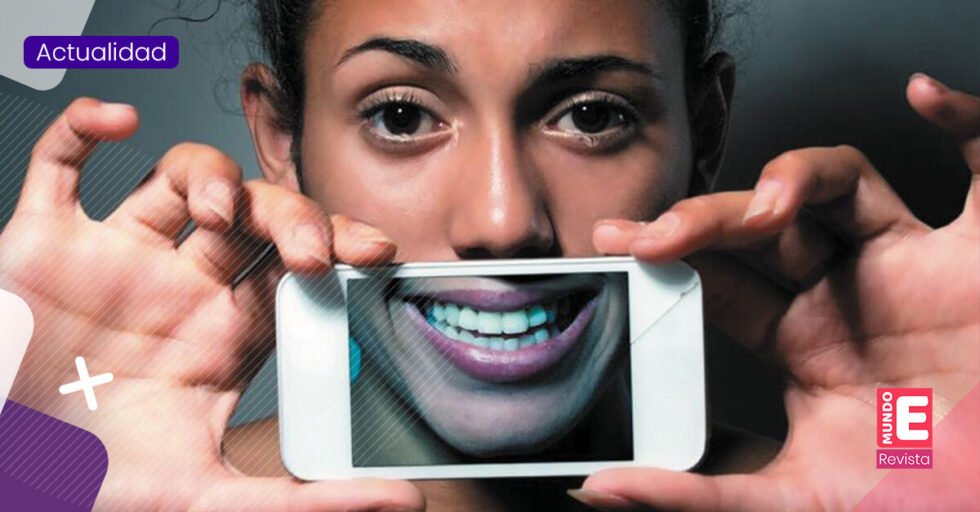
Social Media's Impact and How Our Brains React
In our always-on world, the lines between our digital lives and our real ones have blurred beyond recognition. What started as simple platforms for connection has evolved into a complex ecosystem influencing everything from our morning routines to our deepest anxieties. The very fabric of our communication, entertainment, and even our sense of self is now interwoven with 'Impacto y Reacciones en Redes Sociales' – the profound impact of social media and the intricate ways our brains respond to it. It’s a powerful force, capable of both elevating and diminishing our well-being, often simultaneously.
These platforms, from Facebook’s expansive network to Instagram’s visual stories, Twitter’s rapid-fire discourse, and TikTok’s endless scroll, are not just tools; they are environments meticulously designed to capture and hold our attention. Understanding their true influence requires looking beyond the surface and delving into the psychology and neuroscience that underpin our interactions.
At a Glance: Navigating Your Digital Brain
- Validation Addiction: Our brains crave the "likes" and comments, treating them as social rewards that can dictate our mood and self-worth.
- The Comparison Trap: Curated online realities foster unrealistic expectations and feelings of inadequacy, particularly among young people.
- Brain Chemistry at Play: Social media stimulates our brain's reward centers, releasing dopamine, but can also trigger stress and inhibit crucial decision-making.
- Risk of Compulsion: The constant stimulation and tailored content formats can lead to addictive behaviors and excessive screen time.
- Cyberbullying's Shadow: Online harassment operates outside traditional boundaries, contributing to severe anxiety, paranoia, and even tragic outcomes.
- A Double-Edged Sword: Despite the risks, social media can also be a vital source of community, support, and a powerful tool for connection and resilience.
- Mindful Engagement is Key: Conscious use, time limits, and self-reflection are essential for harnessing the benefits while minimizing the downsides.
The Brain on Social Media: A Chemical Rollercoaster
Every notification, every "like," every shared post lights up our brains in specific, predictable ways. Social media platforms are engineered to tap directly into our deepest psychological drives, particularly our need for connection and validation. This isn't accidental; it's a sophisticated design choice rooted in neuroscience.
At the core of this interaction is our brain's reward system, specifically the mesolimbic-cortical circuit. When you receive a positive reaction—a "like" on your photo, a thoughtful comment, or a message from a friend—this system kicks into high gear, releasing dopamine, a neurotransmitter associated with pleasure and motivation. This hit of dopamine feels good, reinforcing the behavior that led to it. Our brains learn to associate social media activity with this pleasant sensation, creating a powerful feedback loop. It's the same mechanism involved in other addictive behaviors, explaining why it can be so hard to put your phone down.
But the brain's response isn't always positive. Constant engagement can also activate the amygdala, the part of your brain responsible for processing fear and anxiety. This can happen when you encounter negative comments, experience "FOMO" (fear of missing out), or feel the pressure to maintain a perfect online persona. The constant vigilance, the need to check for updates, or the stress of online interactions can keep the amygdala on high alert, contributing to heightened anxiety levels.
Simultaneously, excessive social media use can inhibit the prefrontal cortex, the brain region crucial for decision-making, impulse control, and self-regulation. When this part of the brain is underactive, we might find ourselves scrolling mindlessly, making impulsive online decisions, or struggling to disengage, even when we know we should. This imbalance can lead to obsessive or even depressive behaviors, trapping us in cycles of seeking fleeting digital rewards at the expense of our real-world well-being.
The content itself is also perfectly adapted to this neurological framework. Think about the rise of short-form videos, like those on TikTok, designed to deliver quick bursts of entertainment and information. This rapid-fire content caters to our brain's desire for novelty and instant gratification, fostering compulsive scrolling and consuming vast amounts of time. The immediate availability of an endless stream of tailored content makes it incredibly difficult to break away, reinforcing the addictive potential of these platforms.
The Craving for Validation: Likes, Shares, and Our Self-Worth
Our human need for social connection and acceptance is ancient, but social media has twisted this fundamental drive into something new and often unhealthy. On these platforms, "likes," comments, and shares become quantifiable indicators of our popularity and acceptance. This can lead to a profound emotional dependence where online validation begins to dictate our self-esteem and overall mood.
Consider the ripple effect: a post that performs well can elicit a feeling of euphoria, while one that receives little engagement can lead to feelings of rejection or inadequacy. This direct correlation means our self-worth can become precariously tied to the ephemeral feedback of our digital audiences. When the validation you seek is always external, your inner sense of value becomes fragile and susceptible to the whims of an algorithm or the opinions of strangers.
This pervasive need for online approval intensifies social anxiety. There's an immense pressure to present a perfectly curated version of yourself, to share only content that is aesthetically pleasing, witty, or impressive. This constant performance creates a mental burden, as you’re always calculating how your posts will be received. You might find yourself comparing your "behind-the-scenes" reality to others' carefully constructed "highlight reels," leading to feelings of envy, inadequacy, and a sense that everyone else's life is more exciting or successful than yours.
Studies have consistently shown that individuals who heavily seek validation on social media tend to experience higher levels of anxiety and depression. Their self-esteem becomes highly vulnerable to their online activity, creating a vicious cycle: the more they seek external validation, the more their self-esteem fluctuates, and the more anxious and depressed they become. It's a treadmill that's hard to get off, as the quick hit of dopamine from a "like" offers temporary relief, only to be followed by the inevitable crash.
Perfection Filters and Distorted Realities
The digital world thrives on aspiration. We are constantly exposed to idealized versions of reality, carefully crafted by filters, strategic angles, and selective sharing. This curated content, while often beautiful or inspiring, distorts our perception of what's normal and achievable. When everyone presents their best self, vacation photos look perpetually sunny, and achievements are always celebrated, it creates a skewed reality where imperfection is rarely seen.
This constant exposure to seemingly flawless lives can create unrealistic expectations for our own. We begin to compare our messy, complex lives to the polished avatars we see online, leading to feelings of insufficiency and envy. This phenomenon is particularly damaging for younger generations, who are growing up in a world where digital perfection is the norm. It contributes significantly to body image issues, as highly filtered and edited images become the benchmark for beauty, fostering self-criticism and dissatisfaction with one's own appearance.
The gap between our real lives and these idealized digital representations, often referred to as "avatars," can generate immense frustration, anxiety, and even depression. You know your own struggles, your bad days, your less-than-perfect moments. But online, you see none of that from others. This discrepancy can make you feel isolated in your imperfections, exacerbating feelings of loneliness and sadness. It's a relentless cycle that chips away at self-esteem and fosters a pervasive sense of not being "enough."
The Darker Side: Addiction, Cyberbullying, and Exploitation
The compelling design of social media platforms doesn't just encourage engagement; it can foster addiction. The risk of addiction manifests in compulsive behaviors—the irresistible urge to check your phone every few minutes, the inability to focus on real-world tasks, and the constant need to be connected. This isn't just a minor habit; for some, it becomes a genuine dependency that consumes vast amounts of time, often at the expense of more meaningful activities and relationships.
Excessive social media use can severely interfere with real-world interpersonal relationships. When your attention is constantly divided between your digital feed and the people in front of you, genuine connection suffers. Conversations become fragmented, presence diminishes, and the quality of your in-person interactions deteriorates. This can lead to feelings of loneliness and sadness, ironic given that social media is ostensibly designed to connect us. You might be "connected" to hundreds or thousands online, but feel profoundly alone in your daily life.
Beyond personal well-being, the distorted realities of social media carry more sinister risks. As Hugo Sánchez Castillo, an academic from the Faculty of Psychology at UNAM, points out, this distortion can be exploited by malicious actors. Criminal groups and sexual predators actively leverage these idealized online images and the accompanying psychological vulnerabilities to identify and target individuals, often with devastating consequences. The curated persona, the search for validation, and the perceived anonymity can all be weaponized against unsuspecting users.
One of the most insidious threats in this digital landscape is cyberbullying. Unlike traditional bullying, cyberbullying operates outside the direct oversight of parents, teachers, or other authority figures. It can follow individuals home, into their private spaces, making escape incredibly difficult. The relentless nature of online harassment can exacerbate existing emotional problems, leading to severe anxiety, paranoia, and, tragically, has been linked to cases of suicide among adolescents. The anonymity and distance of the internet can embolden bullies, making their attacks even more vicious and pervasive. The emotional scars left by cyberbullying can be deep and long-lasting, highlighting the urgent need for greater awareness and protective measures.
Finding Your Tribe: Social Media as a Force for Good
It’s easy to focus on the negative aspects, but it’s crucial to remember that social media isn't inherently evil. When used thoughtfully, these platforms can be incredibly powerful tools for good. They are unparalleled platforms for support and connection, enabling the creation of communities around shared interests, personal challenges, or common goals.
Think about online support groups for rare diseases, parenting forums, or hobbyist communities. These groups provide a lifeline for individuals who might feel isolated in their real-world environments. They offer a safe space to share experiences, ask for advice, and receive empathy from people who truly understand what you're going through. For instance, following the dedicated supporters of a specific activity can bring people together, much like those who eagerly anticipate the Honduras TikTok team schedule. It's a modern way of showing solidarity and shared enthusiasm.
These digital support networks are essential for mental health. They reduce feelings of isolation, foster a strong sense of belonging, and can significantly enhance an individual's resilience in the face of adversity. For many, finding their "tribe" online provides the encouragement and affirmation they might lack offline, offering a vital counter-narrative to the often-negative influences of the digital world. It's a reminder that beneath the curated feeds and dopamine hits, the fundamental human desire for connection can still thrive.
Navigating the Digital Landscape with Intention: Strategies for Well-being
Given the complexities, how do we engage with social media in a way that truly benefits us? The key lies in cultivating conscious and balanced use. It's about taking control of your digital habits rather than letting them control you.
Here are some practical strategies to foster a healthier relationship with social media:
- Set Clear Time Limits: Acknowledge how much time you're truly spending. Most smartphones have built-in tools to monitor app usage. Set daily limits for each platform and stick to them. Consider using external apps that enforce these limits.
- Practice Mindful Scrolling: Instead of mindlessly consuming content, pause and reflect. Before you open an app, ask yourself: "Why am I doing this? What do I hope to gain?" While scrolling, notice how certain content makes you feel. Does it inspire you or make you feel inadequate?
- Curate Your Feed Actively: Be intentional about who you follow and what content you consume. Unfollow accounts that consistently make you feel bad about yourself, anxious, or angry. Seek out diverse voices, inspiring creators, and educational content that genuinely enriches your life.
- Establish "No-Phone Zones" and Times: Designate specific areas in your home (like the dining table or bedroom) or specific times (e.g., the first hour after waking, the last hour before bed) as completely phone-free. This creates mental boundaries and helps you reconnect with your physical environment and the people in it.
- Prioritize Real-World Connections: Actively seek out and nurture face-to-face interactions. Make plans with friends, engage in hobbies, and participate in community activities. Remember that true connection flourishes in shared physical spaces, not just digital ones.
- Question the Content: Develop a critical eye. Recognize that much of what you see online is highly curated, filtered, and represents an idealized version of reality. Understand that people often only share their best moments, not their struggles.
- Turn Off Notifications: Notifications are designed to pull you back into the app. Disabling most, if not all, notifications can significantly reduce the urge to constantly check your phone, allowing you to focus on the present moment.
- Digital Detoxes: Periodically take a break from social media, whether it's for a few hours, a day, a weekend, or even longer. Use this time to engage in activities you enjoy offline and observe how your mood and focus improve.
Building a Healthier Relationship with Your Digital Self
Fostering a healthy relationship with social media is ultimately about prioritizing your self-awareness and mental health. It's an ongoing process, not a one-time fix. Education on this topic is vital, especially for future generations who are growing up immersed in these digital ecosystems. Teaching critical thinking skills, media literacy, and emotional regulation in the context of online interactions is more important than ever.
The goal isn't necessarily to abandon social media entirely, but rather to use it consciously and critically. When you understand the psychological mechanisms at play, the design choices meant to hook you, and the potential impact on your brain and well-being, you can make informed decisions. This empowerment allows you to maximize the genuine benefits—connection, learning, support—while minimizing the negative effects—anxiety, comparison, addiction.
Your digital life should enhance your real life, not detract from it. By taking proactive steps and maintaining a mindful approach, you can navigate the complex world of social media with greater confidence, resilience, and inner peace. Your mental well-being is too valuable to leave to the whims of an algorithm. Take back control, one conscious click at a time.